A field promoter checks in on time every morning, visits the stores on their beat, and hits most of their numbers. On paper, nothing looks wrong.
But a manager sitting in an office, or covering a dozen other promoters across a city, has no easy way to see how that person actually feels about the job, day to day.
By the time disengagement becomes visible, it is usually in the form of a resignation letter, a sudden drop in performance, or a promoter who has quietly stopped putting in effort. At that point, there is little a manager can do.
The problem is not that managers do not care. It is that a distributed field team, spread across stores and cities, rarely gives off any everyday signal of morale that a manager could act on earlier.
Why Disengagement Stays Invisible in a Distributed Field Team
A field sales or promoter team does not share an office. Each person spends their day in a different store, often alone, reporting in through an app rather than face to face.
That structure is good for coverage, but it removes the small, everyday cues a manager would normally pick up on: a flat tone in a conversation, a promoter who has gone quiet, a change in energy that is obvious in person but invisible over a chat thread.
Attendance data, visit counts, and sales numbers can all look normal right up until a promoter disengages completely. None of those numbers are designed to capture how someone feels about the work itself.
What a One-Tap Mood Check-In Actually Captures
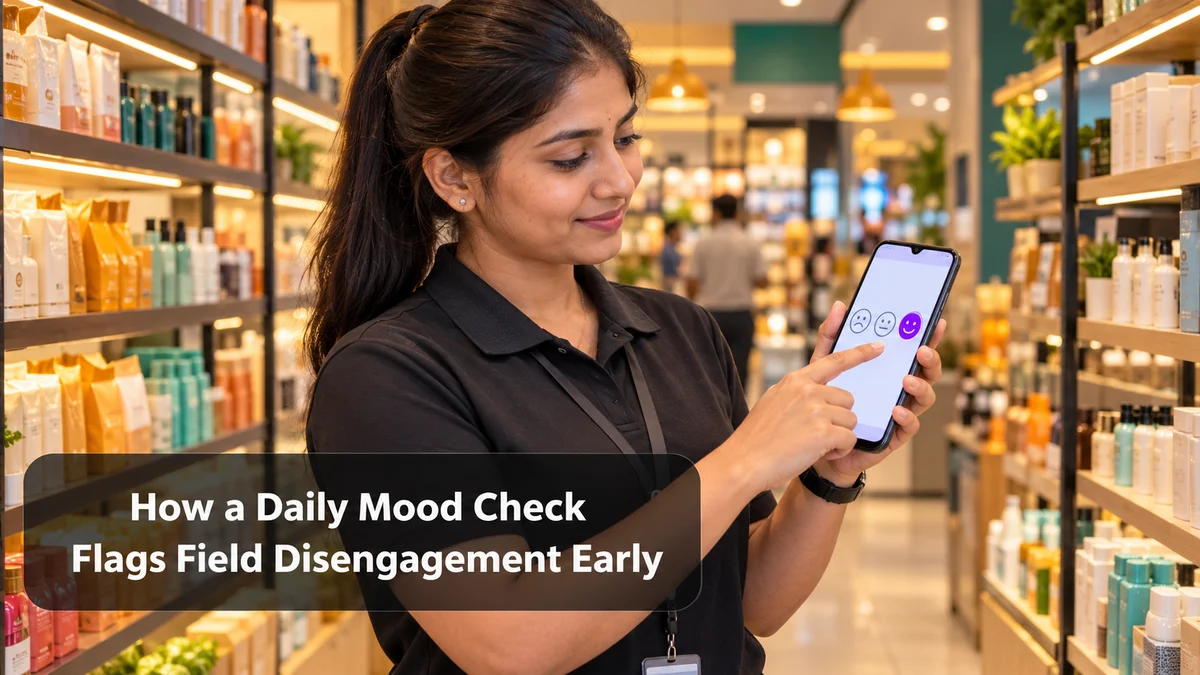
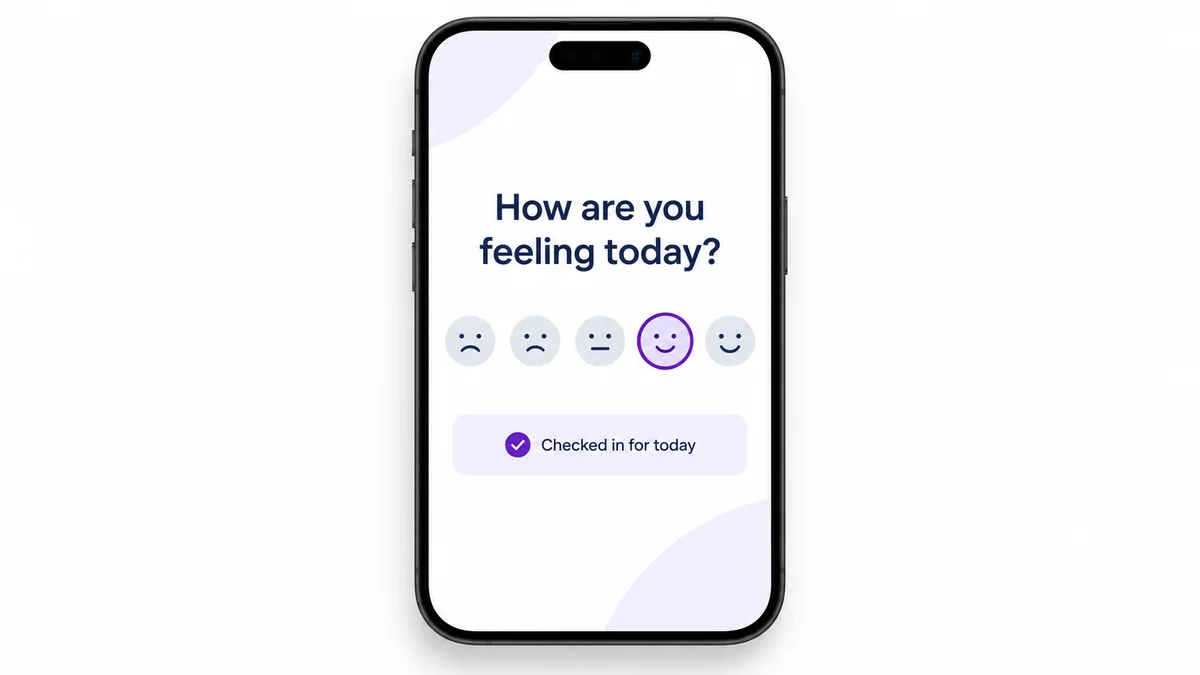
In 1View, 1Channel's retail field-force app, Mood Pulse adds a one-tap daily mood entry to the same routine a promoter already follows for check-in. There is no form to fill and no comment to write, just a single tap logged once a day.
That simplicity is the point. A field promoter is not going to fill out a written wellbeing survey between store visits, but a one-tap entry fits into a moment they are already in the app for.
From a Single Day's Mood to a Usable Trend
One mood entry on one day does not tell a manager much. A promoter could tap a low mood after a difficult store visit and feel fine again the next morning.
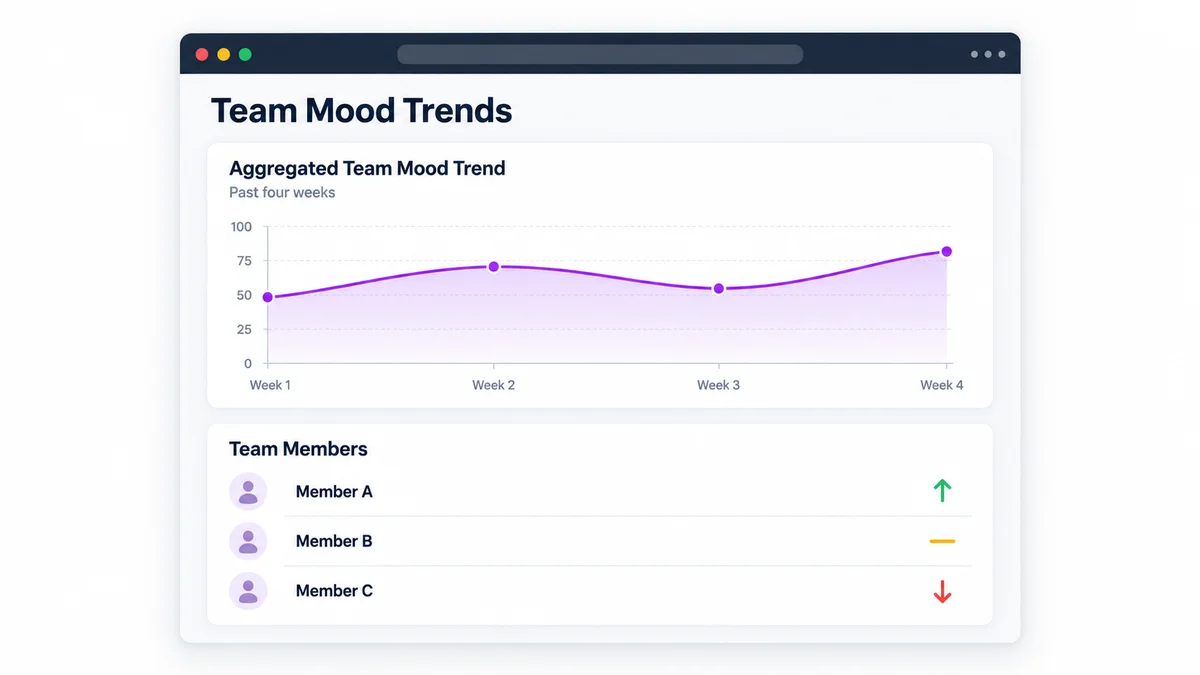
What is actually useful is the pattern across many days: a promoter whose mood entries trend downward over two or three weeks is a different situation from one bad day. 1View rolls individual entries into team mood trends, so a manager is looking at a direction, not a single data point.
That shift, from one entry to a trend, is what makes Mood Pulse a management signal rather than just another data field. A manager looking at a declining trend has a reason to check in with that promoter before the relationship reaches a resignation.
What a Manager Does With a Mood Trend
Team mood trends are meant to prompt a conversation, not replace one. A declining trend tells a manager where to look. It does not explain why a promoter's mood has dropped, whether that is workload, a personal issue, or friction with a particular store.
What it does give a manager covering a large, scattered team is a starting point: who to reach out to first, before attendance or sales numbers give away that something is already wrong.
Why 1View Puts Mood Pulse in the Daily Check-In Flow
1View, 1Channel's field-force app, logs a one-tap mood alongside the same daily check-in a promoter already completes. That signal rolls up into team mood trends, giving managers something to act on before disengagement turns into attrition.
Explore 1Channel's Sales Force Automation →Conclusion
A field team's attendance and sales numbers can stay steady right up to the point a promoter quits. By then, a manager has already lost the chance to do anything about it.
A one-tap daily mood check-in will not replace the conversations a manager needs to have, but it gives a scattered, hard-to-see field team an everyday signal that was missing before: not what a promoter achieved that day, but how they felt about it.
For brands running large field sales teams in India, that signal is often the difference between catching disengagement early and finding out about it from a resignation letter.
Frequently Asked Questions
1. What is Mood Pulse in 1View?
Mood Pulse is a feature inside 1View, 1Channel's retail field-force app, that lets field staff log a one-tap daily mood as part of their routine in the app.
2. How does the one-tap mood check-in work?
A field user taps a mood entry once a day inside the app. It does not require filling out a form or writing a comment.
3. What do managers see from Mood Pulse?
Managers see team mood trends, an aggregated view of how their team's daily mood entries move over time, rather than any single day's entry on its own.
4. Can one day's mood check-in predict attrition?
Mood Pulse is designed to spot disengagement before it becomes attrition by tracking mood trends over time, not by reading meaning into a single day's entry.
5. Is Mood Pulse part of the same app used for attendance?
Yes. Mood Pulse sits inside 1View, the same field-force app that field staff already open for daily attendance check-in.
Note: Software screens may vary based on your business structure and configured workflows.